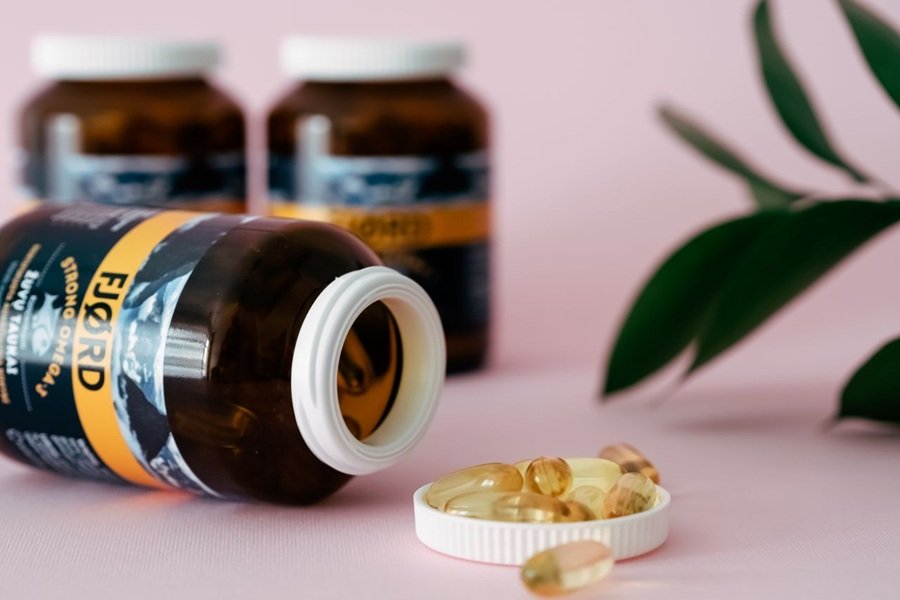
The Question is K2 or Not K2
When it comes to bodybuilding, most people concentrate on protein, creatine, vitamins and minerals that support muscle growth and physical performance. But what about the nutrients that help maintain the foundations of a healthy body as we get older?
One vitamin that deserves a closer look is vitamin K2 and for us to decide – K2 or Not K2.
You might have heard that vitamin K2 helps direct calcium towards your bones and teeth while helping prevent it from accumulating in places where it may cause problems, such as the walls of blood vessels. It is an interesting area of nutrition, particularly for people concerned about bone strength, cardiovascular health and healthy ageing.
But what exactly does vitamin K2 do, how does it relate to vitamins D3 and magnesium, and is supplementation worthwhile?
Let’s look at the facts.
What Exactly Is Vitamin K2?
Vitamin K is a family of fat-soluble vitamins. Two of the best-known forms are vitamin K1 and vitamin K2.
Vitamin K1 is found mainly in green leafy vegetables, while vitamin K2, also known as menaquinone, occurs in certain fermented foods and animal products. Natto, a traditional Japanese fermented soybean food (and an acquired taste!), is particularly rich in K2. Smaller amounts can be found in some cheeses, eggs and meat.
Vitamin K2 is involved in activating particular proteins that help regulate calcium in the body. Two important examples are osteocalcin, associated with bone metabolism, and matrix Gla protein, which plays a role in regulating calcification in soft tissues.
This is where the subject becomes particularly interesting.
Calcium: Essential for Life, but Location Matters
Calcium is essential for strong bones and teeth. It also plays important roles in muscle contraction, nerve signalling and other bodily functions.
However, calcium is not simply a mineral that we should consume in ever-increasing amounts. The body must regulate how it is absorbed, transported and incorporated into tissues.
Vitamin D3 helps the body absorb calcium from the digestive tract (from food). Vitamin K2 helps activate proteins involved in calcium regulation, including osteocalcin, which participates in bone mineralisation.
Matrix Gla protein is another vitamin K-dependent protein that helps regulate inappropriate mineralisation in soft tissues, including blood vessels.
This has led to the popular explanation that K2 helps move calcium out of the arteries and into the bones and teeth.
That description captures the general idea, but it is important to be precise: vitamin K2 supports the body’s calcium-regulating processes; it has not been conclusively demonstrated that taking a K2 supplement removes existing arterial calcium deposits or prevents heart attacks. My personal take is that K2 is worth taking, in the event that the assumptions may be correct.
Research into vitamin K2 and cardiovascular health is promising, but clinical trials have not yet established all the benefits that are sometimes claimed for it.
Can Vitamin K2 Help Protect Heart Health?
Cardiovascular health becomes increasingly important as we age. Maintaining physical activity, controlling blood pressure, avoiding smoking and eating a nutritious diet are all important parts of looking after the heart.
Vitamin K2 has attracted scientific interest because of its relationship with matrix Gla protein. When this protein is properly activated, it helps regulate abnormal calcium deposition in soft tissues.
Some observational studies have found associations between higher dietary vitamin K2 intake and better cardiovascular outcomes. Smaller clinical trials have also investigated markers of vascular calcification and arterial stiffness.
However, these findings do not prove that supplementation prevents cardiovascular disease. The results of clinical trials have been mixed, and larger studies are needed.
My view is that vitamin K2 is worth understanding as part of the wider discussion about nutrition and healthy ageing, rather than treating it as a miracle supplement.
No single vitamin can compensate for poor lifestyle habits, and K2 should never be used as a replacement for prescribed cardiovascular medication.
Vitamin K2 or Not K2 and Strong Bones
Bones are living tissue. They continually undergo processes of breakdown and rebuilding, and good nutrition helps support this cycle.
Osteocalcin is a protein involved in bone metabolism. Vitamin K is needed to activate it, allowing it to perform its normal function.
This provides a biological reason to investigate vitamin K2 in relation to bone health, particularly in older adults who want to maintain strength, mobility and independence.
Nevertheless, the evidence is not uniform. Some studies have reported improvements in certain measures of bone health, while others have found no meaningful improvement in bone mineral density. The effects may also differ between forms of vitamin K2 and the doses used.
For bodybuilders and people who train with weights, the bigger picture matters. Resistance training, adequate protein, sufficient calcium and vitamin D, and an appropriate overall diet all contribute to maintaining a strong musculoskeletal system.
K2 may have a supporting role, but it should not be regarded as a substitute for these foundations or for medical treatment of osteoporosis.
Why Vitamin D3 and K2 Are Often Taken Together
Vitamin D3 and K2 are frequently combined in supplements because they have complementary roles. Ideally, it is possible to source D3 combined with K2 as a single supplement.
Vitamin D3 helps the body absorb calcium and supports normal bone and muscle function. Vitamin K2 activates proteins involved in bone metabolism and calcium regulation.
The logic behind combining them is understandable: one helps with calcium absorption, while the other participates in processes that regulate how calcium-dependent proteins function.
However, it is important not to overstate the evidence. The combination has a plausible biological rationale, but research has not conclusively shown that taking D3 and K2 together prevents arterial calcification or cardiovascular events in otherwise healthy people.
Vitamin D supplementation may be useful when sunlight exposure or dietary intake is inadequate. The appropriate dose depends on individual circumstances, and taking excessive amounts can be harmful.
Combining supplements does not automatically make them more effective, so the overall dose and your personal health situation still matter.
Where Does Magnesium Fit In?
Whilst we consider K2 or Not K2, Magnesium is another important mineral for anyone interested in training, recovery and general health.
It contributes to normal muscle and nerve function, energy metabolism and the regulation of numerous processes throughout the body.
It is also involved in vitamin D metabolism. This makes adequate magnesium intake relevant to a diet that includes vitamin D supplementation.
However, magnesium does not simply act as a switch that makes K2 work. Each nutrient has its own functions, and there is no established universal supplement ratio for magnesium, D3 and K2.
Good dietary sources of magnesium include nuts, seeds, leafy green vegetables and some mineral waters. People following a ketogenic diet may obtain magnesium from foods such as pumpkin seeds, almonds and leafy greens.
If you choose a magnesium supplement, consider your dietary intake and the amount of elemental magnesium provided. High supplemental doses can cause diarrhoea, and people with impaired kidney function should seek medical advice before supplementing.
How Much Vitamin K2 Should You Take?
This is where people need to be careful, because there is no universally established recommended daily allowance specifically for vitamin K2.
Many supplements provide K2 in the form of MK-7, with amounts such as 90, 100 or 180 micrograms per daily serving. MK-4 is another form, and the research and dosing used for it can be quite different.
These amounts are examples of products available on the market, not proof that one particular dose is optimal for everyone.
If you are considering a K2 supplement, check the label carefully to establish whether it contains MK-7 or MK-4 and how much it provides. Avoid assuming that higher doses will necessarily deliver greater benefits.
Vitamin K is also found in food, so dietary intake should not be overlooked.
Important: Vitamin K can interact seriously with warfarin and certain related anticoagulants. Anyone taking these medicines must not start, stop or substantially change vitamin K supplementation without advice from their anticoagulation team or prescribing clinician.
Can You Obtain Vitamin K2 from Food?
Before buying another bottle of supplements, look at your diet.
Some fermented foods, certain cheeses, egg yolks and animal products provide vitamin K2, although amounts vary considerably according to the food and how it is produced.
Natto is a particularly rich source, although its taste and texture are not to everyone’s liking.
A varied diet containing suitable protein sources, vegetables, healthy fats and other nutrient-rich foods remains a sensible foundation. Supplementation may be worth discussing if you have a specific dietary restriction or medical reason to be concerned about your intake.
My Final Thoughts on K2 or Not K2?
As someone interested in bodybuilding, strength and staying active as the years pass, I believe it is worth looking beyond the nutrients most commonly associated with muscle growth.
Vitamin K2 has a genuine biological role in activating proteins involved in bone metabolism and the regulation of soft-tissue calcification. Its relationship with vitamin D3 and magnesium also makes it an interesting subject for anyone considering their overall nutritional intake.
However, there is a difference between understanding how a nutrient works and proving that taking it as a supplement prevents disease. The evidence surrounding K2 and cardiovascular outcomes remains incomplete, and claims that it clears calcium from arteries go further than the available clinical evidence supports.
My advice is straightforward: build your diet around nutritious food, train consistently, maintain adequate protein and pay attention to your overall health. Consider supplements for a clear reason rather than taking them simply because they are fashionable.
Vitamin K2 may have a useful place in that conversation, particularly when bone health is a priority. But it is one part of the bigger picture, not a shortcut to better health.
So, K2 or not K2? It is certainly a question worth exploring — but the answer should be guided by sound nutrition, sensible supplementation and an honest understanding of what the evidence can actually tell us.
By the way, you may be interested in this article about the benefits of magnesium and also this one, about the best bodybuilding supplements out there.
The article ‘K2 or Not K2’ was written and first published on behalf of Bill Jones Mr Universe on Tuesday 27th October 2026 at 20:00 and is subject to copyright – All Rights are Reserved.
Bill Jones has spent decades helping people of all ages become stronger, healthier and more confident through sensible, consistent bodybuilding. The principles discussed in this article reflect the training philosophy that has made Gym 21 one of Liverpool’s best-known independent gyms.